
Dental Bonding in Rego Park, NY
Patients looking for dental bonding in Rego Park can find affordable, natural-looking results at Affordable Dental Care PC. We offer composite resin bonding for patients throughout Queens and the greater New York City area who want to correct minor cosmetic imperfections without the cost or complexity of more extensive procedures. Dental bonding can restore chipped, cracked, discolored, or misshapen teeth in a single visit.
Dental bonding is one of the most accessible options in cosmetic dentistry. Patients who are interested in more comprehensive smile improvements may also want to explore dental veneers or a full smile makeover during their consultation. Call us at (718) 897-3434 to learn more or schedule an appointment.
Dental Bonding Explained
Dental bonding is the application of a composite resin — a tooth-colored, durable plastic material — to the surface of a tooth to repair chips, cracks, or discoloration. This relatively simple procedure normally takes just one visit. The “bond” of dental bonding refers to the process of attaching the resin to a natural tooth to create a seamless, natural-looking result.
Unlike other materials used in dental restoration, composite resin can be molded and shaped to match the contour of the tooth. This makes it an ideal option for filling cracks and chips, closing small gaps, or masking surface stains. The finished result blends with surrounding teeth in both color and texture. Compared to alternatives like porcelain veneers or dental crowns, bonding is faster, less invasive, and more affordable for minor cosmetic concerns.
“Dental bonding is the application of a composite resin, which is a durable plastic material, to the surface of the tooth to repair chips or cracks, or fix discoloration.”
Candidates for Dental Bonding
Patients with aesthetic dental problems are the best candidates for dental bonding. Dental bonding is ideal for cosmetic dental issues that do not require major restorative work. Patients that are interested in receiving this treatment should have healthy teeth without excessive decay or trauma. Teeth should also have roots that are in good condition and most of their enamel intact.
Dental bonding can help fix various dental issues, including:
- Abnormally sized teeth
- Discolored teeth that do not respond to whitening
- Exposed tooth roots caused by receding gums
- Minor cracks or chips — see also our chipped tooth care page
- Misshapen teeth
- Small gaps between teeth
If you are unsure whether bonding is the right treatment for your specific concern, a dental checkup with Dr. Pinkhasova will clarify your options. Some patients with more extensive concerns may be better served by veneers, crowns, or composite fillings, depending on the nature and location of the issue.
“Dental bonding is ideal for cosmetic dental issues that do not require major restorative work.”
Dental Bonding Benefits
Dental bonding is a good option for restoring teeth since it is a minimally invasive procedure. This procedure allows patients to keep as much of the natural tooth structure as possible. During the application process, our dentist removes very little to no enamel at all. Minimal work to the enamel allows patients to maintain the natural health and structure of their teeth.
This quick treatment produces high-quality results that appear natural. The composite resin is durable but adaptable and can be adjusted by our doctor in the future after treatment. Dental bonding also protects and restores the function of worn-down, chipped, or discolored teeth. Key benefits include:
- Single visit: Most bonding procedures are completed in one appointment lasting 30 to 60 minutes per tooth. No lab work is required.
- Minimal enamel removal: Unlike veneers or crowns, bonding typically does not require permanent alteration of the natural tooth.
- Color-matched results: The resin is carefully shade-matched to blend with surrounding teeth for a natural appearance.
- Cost-effective: Dental bonding is one of the most affordable cosmetic procedures available, making it accessible for patients who want smile improvements without significant expense.
- Reversible: Because bonding does not require the removal of natural tooth structure, it is one of the few cosmetic options that can be reversed or replaced in the future.
“This quick treatment produces high-quality results that appear natural.”
Check out what others are saying about our dental services on Yelp: Dental Bonding in Rego Park, NY
Process of Dental Bonding
The dental bonding process is quick and relatively non-invasive. Our dentist will select a composite resin color that matches the patient’s tooth color before the dental bonding process. If a patient’s tooth requires drilling to change its shape or damage near a nerve, our dentist may apply a local anesthetic to minimize discomfort. During the procedure, the tooth surface is roughened and given a conditioning liquid to help the bonding material adhere to the tooth.
Our dentist will then apply, mold, and smooth the resin into the desired shape before hardening the material with a light or laser. Once the resin hardens, it is trimmed, shaped, and polished to match the tooth’s surface. The bonding process typically takes one appointment and lasts about 30 to 60 minutes for each tooth. Multiple teeth can often be treated in a single appointment.
“The dental bonding process is quick and relatively noninvasive.”
How Long Does Dental Bonding Last?
With proper care, dental bonding typically lasts between 5 and 10 years before needing a touch-up or replacement. The actual lifespan depends on how many teeth were treated, the location of the bond, and the patient’s daily habits. Bonding on teeth that experience significant biting pressure (such as the front teeth) may show wear sooner than bonding on less-used surfaces.
To get the most out of dental bonding, patients should:
- Avoid hard or crunchy foods immediately after treatment: The resin needs a little time to fully settle. Avoid biting nails, chewing ice, or using teeth as tools, as these habits can chip the bonding material.
- Minimize staining foods and beverages in the first 48 hours: Composite resin can stain more easily than natural enamel. Coffee, tea, red wine, and tobacco should be avoided especially in the days following the procedure.
- Brush and floss regularly: Good oral hygiene extends the life of dental bonding and prevents decay around the treated tooth. Use a non-abrasive toothpaste to avoid scratching the resin surface.
- Wear a night guard if you grind your teeth: Bruxism (teeth grinding) can significantly shorten the lifespan of dental bonding. Our team can fit you for a custom night guard if needed.
- Keep up with regular dental checkups: Routine visits allow Dr. Pinkhasova to assess the condition of existing bonding and recommend touch-ups before significant wear occurs.
“With proper care, dental bonding typically lasts between 5 and 10 years before needing a touch-up or replacement.”
Questions Answered on This Page
Q. Who is the right patient for dental bonding?
Q. What are the benefits of dental bonding?
Q. What happens during the dental bonding process?
Q. What are the differences between veneers and dental bonding?
Q. How long does dental bonding last?
People Also Ask
Q. What are the benefits of composite fillings?
Q. Why is it important to find the right general dentist?
Dental Bonding vs. Veneers
Dental veneers are also a common dental restoration procedure. These thin porcelain shells are custom-made to fit onto the front surface of a tooth. Veneers are more invasive since they require the permanent removal of a thin layer of natural tooth enamel so the veneer can fit properly. Unlike bonding, veneers cannot be removed once placed — the tooth has been permanently altered.
Bonding and veneers are both designed to blend with the color of surrounding teeth and improve the smile’s appearance. The key differences are:
- Cost: Dental bonding is significantly less expensive than porcelain veneers, making it the better choice for patients with limited budgets or minor concerns.
- Number of visits: Bonding is completed in one visit. Veneers typically require two or more appointments including an impression, a temporary veneer, and the final placement.
- Durability: Porcelain veneers are more stain-resistant and generally last longer (10 to 15 years vs. 5 to 10 for bonding), but require a larger initial investment.
- Reversibility: Bonding is the reversible option. Veneers are permanent because enamel is removed in the preparation process.
For patients with more extensive cosmetic goals, a smile makeover consultation can help determine the best combination of treatments including bonding, veneers, whitening, or other procedures to achieve the desired result.
“Unlike dental bonding, a portion of the tooth will need to be removed so the veneer can fit tightly.”
Frequently Asked Questions
Q. Are there any risks with dental bonding?
A. There are no major risks associated with dental bonding. Keep in mind, a dental bond is not as strong as your natural tooth. Since it can chip or crack, it is a good idea to stop habits such as chewing on ice or biting your fingernails.
Q. How much does dental bonding cost?
A. Dental bonding is more cost-effective than many other restorative dental procedures. Costs vary depending on the location of the bond and the extent of the procedure. Check with your insurance provider to see if dental bonding gets covered under your policy.
Q. How long does dental bonding last?
A. With proper care, a dental bond can last for a decade. Touch-ups can be done if our dentist notices some wear and tear. Plan to take care of your bonded tooth just as you would the rest of your teeth.
Q. What kinds of conditions can dental bonding fix?
A. Dental bonding can address a variety of dental conditions. This includes chipped teeth, gaps between your teeth, fixing a tooth that is an odd shape, and even cosmetic fillings. Our staff can help you determine if dental bonding can correct your smile concerns.
Q. How does dental bonding work?
A. To begin, we create a composite resin material that matches the color of your teeth. The teeth are roughened to allow the resin to bond correctly. We will then apply the resin and use a special curing light to harden the resin, bonding it instantly to your teeth. Lastly, we can reshape and polish any areas as needed to ensure they look as natural as possible with the surrounding teeth.
Q. Is dental bonding covered by insurance?
A. Dental bonding is sometimes covered by insurance when it is used for restorative purposes, such as repairing a chipped or fractured tooth. When used purely for cosmetic purposes, such as closing a small gap or covering minor discoloration, insurance typically does not cover the cost. We recommend contacting your insurance provider before your appointment. Our team is also happy to help you understand your coverage options.
Q. Can dental bonding be done on front teeth?
A. Yes, dental bonding is commonly performed on front teeth because composite resin can be precisely color-matched and shaped to blend seamlessly with adjacent teeth. It is one of the most popular ways to repair chipped or cracked front teeth quickly. Because front teeth are highly visible, Dr. Pinkhasova takes particular care to achieve a natural result that complements the patient's overall smile.
A. Composite resin is more susceptible to staining than porcelain, particularly from coffee, tea, red wine, and tobacco. Surface staining is more likely to develop over time, especially if these foods and beverages are consumed frequently. To minimize staining, rinse or brush after consuming staining foods, and avoid tobacco products. Regular professional cleanings help maintain the appearance of bonded teeth. If staining becomes noticeable, the bonding can be polished or replaced.
Q. How is dental bonding different from a composite filling?
A. Composite fillings and dental bonding use the same tooth-colored resin material, but they serve different purposes. Composite fillings are used to repair teeth damaged by decay, filling the cavity created after the decayed material is removed. Dental bonding is used for cosmetic corrections such as repairing chips, closing gaps, or reshaping teeth that are structurally sound. Both procedures are completed in a single visit and produce natural-looking results.

Scan here to view this page, Dental Bonding, on mobile
Dental Terminology
Fix Chips, Cracks, and Discoloration in One Visit
Dental bonding at Affordable Dental Care PC offers one of the fastest and most affordable paths to a better-looking smile in Rego Park. Whether you have a chipped front tooth, a small gap, or surface staining that whitening cannot fix, composite bonding can often resolve the issue in a single appointment — no lab work, no waiting, no permanent alteration to your natural tooth.
Patients interested in broader smile improvements are also welcome to explore our full cosmetic dental services or ask about combining bonding with teeth whitening for a more comprehensive result. Current new patient offers are available at our special offers page.
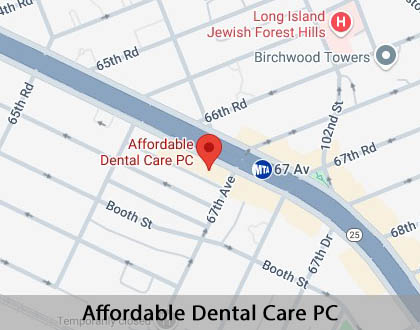
98-120 Queens Blvd Ste 1H, Rego Park, NY 11374 | Serving Queens, Forest Hills, Jackson Heights, Elmhurst & surrounding areas
Helpful Related Links
- American Dental Association (ADA). Glossary of Dental Clinical Terms. 2025
- American Academy of Cosmetic Dentistry® (AACD). Home Page. 2025
- WebMD. WebMD’s Oral Care Guide. 2025
About our business, license, and website security
- Affordable Dental Care PC was established in 1998.
- We accept the following payment methods: American Express, Cash, Check, Discover, MasterCard, and Visa
- We serve patients from the following counties: Queens
- We serve patients from the following cities: Queens
- NY (License #458341). View License Information and Specifics
- National Provider Identifier Database (1205042033). View NPI Registry Information
- Healthgrades. View Background Information and Reviews
- Norton Safe Web. View Details
- Trend Micro Site Safety Center. View Details

Scan here to open directions to Affordable Dental Care PC on mobile
Back to top of Dental Bonding
Related Posts

How Cosmetic Dental Services Can Transform Your Smile
The right cosmetic dental services can treat any oral problem that impairs your smile. After a complete assessment, your general dentist can suggest specific treatments to target the issue. You can receive at least one procedure to improve your smile. The following are cosmetic dental services that can elevate your smile.The dentist will recommend a…

Transforming Your Smile With Cosmetic Dental Services
Cosmetic dental services are transformative solutions that enhance teeth and gums' appearance and sometimes function, providing patients with a more radiant smile. These services focus on aesthetics and oral health, from correcting minor imperfections to achieving a complete smile makeover. Advancements in dental technology have made these procedures more accessible, effective, and even customizable, catering…

How Cosmetic Dental Services Can Transform Your Smile
It is common to be self-conscious about your smile, but cosmetic dental services can help! Whether you are struggling with blemishes on your teeth or a shade that you are not happy with, cosmetic dentists can create a personalized plan to address your goals and help you achieve your dental vision without compromising the health…
What To Expect From Your First Cosmetic Dental Services Appointment
Cosmetic dental services can enhance your physical appearance and oral functions. The first meeting with your dentist will be mostly exploratory and educational. This visit is when the dentist will ask about your medical history. Here are the things to expect when you come for cosmetic dental services.The dentist will inspect the patient’s mouth. Ordering…
Explore additional topics covered on our website:
Call Us Today

Scan here to call Affordable Dental Care PC on mobile