
Gum Disease Treatment & Periodontics in Rego Park, NY
Gum disease treatment in Rego Park is available at Affordable Dental Care PC, where our team provides expert diagnosis and care for every stage of periodontal disease. We serve patients throughout Queens and the greater New York City area who are dealing with gum inflammation, bleeding gums, receding gums, or more advanced periodontitis. Early treatment is essential, because untreated gum disease can lead to bone loss, tooth loss, and serious effects on your overall health.
Maintaining healthy gums is a cornerstone of overall oral health. We recommend regular dental checkups to catch early signs of periodontal disease before they progress. For patients who have experienced tooth loss as a result of gum disease, we also offer dental implants as part of a comprehensive restoration plan. Our modern treatments include laser dentistry for minimally invasive bacterial removal from gum pockets. Call us today at (718) 897-3434 to schedule an appointment or learn more about our services.
Why Periodontics
Though many patients may have periodontal needs that a general dentist can manage, it is essential for patients with signs of periodontal disease to see a periodontist. Periodontists are dentists that specialize in preventing, diagnosing, and treating periodontal disease. They also specialize in placing dental implants and treating oral inflammation.
In addition to completing four years of dental school, periodontists must undergo three additional years of training to become familiar with the best practices for diagnosing and treating periodontal disease and performing cosmetic periodontal procedures. A trained specialist can best manage moderate to severe periodontal disease, along with more complex cases.
“Periodontists are dentists that specialize in preventing, diagnosing, and treating periodontal disease.”
Hard Tissue/Osseous Procedures
An osseous procedure is a periodontal treatment that reduces or completely eliminates bacteria living in pockets underneath the gums. Healthline explains that during the procedure, a surgeon cuts back the patient's gums, removes the bacteria, and repairs damaged bone. Hard tissue procedures primarily curb the progression of gum disease but can also involve treating the enamel, dentin, and cementum.
In both hard tissue and osseous procedures, the primary goal is to remove bacteria from the pockets to prevent the spread of infection and disease. With advancements in modern dental technology, these procedures can be done using a laser that burns bacteria without coming close to the nerves, roots, or bone. Once the gums are reattached and sewn, they naturally heal and cling onto the tooth, slightly tighter than they were before.
“In both hard tissue and osseous procedures, the primary goal is to remove bacteria from the pockets to prevent the spread of infection and disease.”
Periodontal Disease
Gingivitis, the mildest form of periodontal disease, can cause the gums to bleed easily and become red and swollen. It is typically reversible with professional treatment and good oral hygiene. According to the American Academy of Periodontology, untreated gingivitis can easily develop into periodontitis.
Receding gums are common in the early stages of periodontitis, causing small pockets to form between the gums and the teeth. Moderate periodontal disease may also bring about bleeding and pain around the teeth, along with further gum recession. Teeth may also lose bone support and become loose. Finally, persons with advanced periodontal disease will see the connective tissue holding the teeth in place deteriorating, leading to tooth loss.
“According to the American Academy of Periodontology, untreated gingivitis can easily develop into periodontitis.”
Stages of Periodontal Disease
Periodontal disease does not appear overnight, and it advances through distinct stages, and the earlier it is caught, the easier it is to treat. Understanding where you fall on this spectrum helps our team recommend the right level of care, from a simple cleaning to more involved periodontal therapy. As an established dental practice serving Rego Park, NY, we screen for these stages at every checkup so problems are caught while they are still easy to manage.
- Gingivitis: The earliest and only fully reversible stage. Gums become red, swollen, and may bleed when brushing, but the bone and connective tissue are not yet affected. Professional cleaning and improved home care can restore full health.
- Early Periodontitis: Infection begins to spread below the gum line. Small periodontal pockets form and the body starts to lose a small amount of supporting bone. Treatment at this stage usually involves a non-surgical deep cleaning.
- Moderate Periodontitis: Pockets deepen, more bone is lost, and the gums may begin to recede. Teeth can feel slightly loose, and bad breath or a lingering bad taste may persist despite brushing.
- Advanced Periodontitis: The most serious stage. Significant bone and tissue loss can cause teeth to shift or loosen, and surgical treatment is often required to save the remaining teeth.
No matter which stage you are in, treatment is available — and acting early almost always means less invasive care and a better long-term outcome.
“Gingivitis is the earliest and only fully reversible stage of periodontal disease.”
Check out what others are saying about our dental services on Yelp: Periodontics in Rego Park, NY
Preventing Periodontal Disease
There are a variety of ways patients can prevent the development and progression of periodontal disease. First and foremost, practicing adequate oral hygiene habits is essential for proper oral care and function. The American Academy of Periodontology suggests doing the following to prevent periodontal disease:
- Brush your teeth: Brushing after meals can help remove food debris and plaque trapped between the teeth and gums; especially if one thoroughly brushes the tongue.
- Floss: Flossing at least once a day can help remove food particles and plaque between teeth and along the gum line that your toothbrush cannot quite reach.
- Swish with mouthwash: Using a mouthwash helps reduce plaque and can remove remaining food particles that brushing and flossing missed.
- Know your risk: Age, smoking, diet, and genetics can all increase the risk for periodontal disease. If at increased risk, be sure to talk with the dental professional.
- See a periodontist: Get an annual comprehensive periodontal evaluation (CPE) from a dental professional. A CPE looks at the teeth, plaque level, gums, bite, bone structure, and other risk factors for periodontal disease. Identifying symptoms of gum disease early is key to protecting the teeth and gums.
“First and foremost, practicing adequate oral hygiene habits is essential for proper oral care and function.”
Questions Answered on This Page
Q. What are hard tissue and osseous procedures?
Q. What happens as periodontal disease progresses?
Q. What happens during periodontal surgery?
Q. What are the stages of periodontal disease?
Q. What is scaling and root planing (deep cleaning)?
Q. How does gum disease affect your overall health?
People Also Ask
Q. What are the signs of gum disease?
Q. Why is stopping infection from spreading important?
Periodontal Surgery
Patients with advanced periodontal disease may require periodontal surgery. This surgery involves removing the bacteria from beneath the gums, facilitating the cleaning of the teeth, reshaping the bones supporting the teeth, and helping prevent future gum damage. Depending on the patient's case, flap surgery, bone grafting, guided tissue regeneration, soft tissue grafts, or special proteins may be necessary.
In flap surgery, Affordable Dental Care PC makes a small incision into the gum and lifts back a part of tissue to remove tartar and bacteria from the tooth and underneath the gums. In contrast, bone grafting repairs any damage done to the bone surrounding the tooth root. Similarly, guided tissue regeneration stimulates bone regrowth by placing a small piece of material between the gum tissue and the bone. Soft tissue grafts help restore lost tissue, while special proteins can encourage healthy bone and tissue regeneration.
“Depending on the patient’s case, flap surgery, bone grafting, guided tissue regeneration, soft tissue grafts, or special proteins may be necessary.”
Scaling and Root Planing (Deep Cleaning)
For many patients with early to moderate gum disease, the first line of treatment is a non-surgical deep cleaning known as scaling and root planing. Unlike a routine cleaning that focuses on the visible surfaces of the teeth, this procedure reaches below the gum line to remove the plaque and calculus that fuel infection.
During scaling and root planing, our team carefully removes hardened deposits from the tooth roots (scaling) and then smooths the root surfaces (planing) so the gums can reattach and heal. The area is numbed for comfort, and treatment is often completed across one or two visits depending on how much of the mouth is affected. Many patients notice healthier gums within a few weeks, and ongoing periodontal maintenance keeps the disease from returning.
“Scaling and root planing reaches below the gum line to remove the plaque and calculus that fuel infection.”
Gum Disease and Your Overall Health
Periodontal health is closely tied to the health of the rest of the body. Research compiled by the American Academy of Periodontology has linked untreated gum disease to a range of systemic conditions, including heart disease, stroke, diabetes, and respiratory problems. The chronic inflammation and bacteria associated with periodontitis can travel beyond the mouth and affect overall wellbeing.
This connection is one of the biggest reasons we encourage patients not to ignore bleeding or receding gums. Treating periodontal disease is not only about protecting your smile; it is part of protecting your general health. Patients managing diabetes in particular benefit from close periodontal care, since gum disease and blood sugar control influence one another.
“Treating periodontal disease is not only about protecting your smile; it is part of protecting your general health.”
Frequently Asked Questions About Periodontics
Q. Will my insurance cover periodontal treatment?
A. While the answer to this question varies on a case-by-case basis, most dental insurance policies tend to cover periodontal treatment. For the most accurate possible answer, speak to your carrier directly. Do not forget to bring your medical and dental benefit information and cards to your appointment.
Q. Can my kids develop periodontal disease?
A. It is rare for children to develop periodontal disease, though it does sometimes occur (particularly in adolescents). In any case, it is essential for patients of all ages to learn the importance of keeping a good oral hygiene routine to keep periodontal disease at bay in the future.
Q. Are there any consequences to missing teeth?
A. Yes, missing teeth are more than just an aesthetic issue. The teeth surrounding the gap may shift, and it may be more difficult for you to chew your food properly or even affect the way you speak. As such, it is crucial to address missing teeth as soon as possible.
Q. What can I expect from my first periodontal examination?
A. During your first periodontal examination, you will undergo a thorough physical examination of your mouth. Along with other things, Affordable Dental Care PC will check the health of your gums, the status of your teeth, and the alignment of your bite. We may also perform certain imaging tests to make an accurate official diagnosis.
Q. What else can periodontists do?
A. While most periodontists spend most of their time diagnosing and treating gum disease, they can also perform various other procedures. These include placing dental implants when natural teeth cannot be saved, monitoring implants, correcting gum recession, and coordinating comprehensive dental care along with your dentist.
Q. How much does periodontal treatment cost in Rego Park?
A. The cost of periodontal treatment depends on the stage of the disease and the type of care needed, ranging from a non-surgical deep cleaning to more advanced surgical procedures. Most dental insurance plans contribute toward periodontal care. We are happy to review your benefits and discuss payment options before treatment begins so there are no surprises. Call our Rego Park office at (718) 897-3434 for an estimate based on your specific needs.
Q. Can gum disease be reversed?
A. Gingivitis, the earliest stage of gum disease, can usually be fully reversed with professional cleaning and good home care. Once the disease advances to periodontitis and bone loss has begun, it cannot be reversed, but it can be controlled and kept from progressing with treatment and ongoing periodontal maintenance. This is why early diagnosis is so important.
Q. Is periodontal treatment painful?
A. Most periodontal treatments are very manageable. For procedures such as scaling and root planing, we numb the area so you stay comfortable throughout. Some patients experience mild soreness or sensitivity for a few days afterward, which can usually be managed with over-the-counter pain relief. We will walk you through what to expect and how to care for your gums during recovery.
Q. What is the difference between a regular cleaning and a deep cleaning?
A. A regular cleaning (prophylaxis) removes plaque and tartar from the visible surfaces of healthy teeth and is part of routine preventive care. A deep cleaning, or scaling and root planing, goes below the gum line to remove bacteria and hardened deposits from the tooth roots and is used to treat active gum disease. Your dentist recommends a deep cleaning when periodontal pockets and inflammation are present.

Scan here to view this page, Periodontics, on mobile
Periodontic Terminology
Call Us Today
Periodontal treatments can help prevent, curb, or treat periodontal disease and help you maintain a healthy oral cavity. Call us today at 718-897-3434 to schedule an appointment or learn more about our services.
Helpful Related Links
- American Dental Association (ADA). Glossary of Dental Clinical Terms. 2025
- American Academy of Cosmetic Dentistry® (AACD). Home Page. 2025
- WebMD. WebMD’s Oral Care Guide. 2025
About our business, license, and website security
- Affordable Dental Care PC was established in 1998.
- We accept the following payment methods: American Express, Cash, Check, Discover, MasterCard, and Visa
- We serve patients from the following counties: Queens
- We serve patients from the following cities: Queens
- NY (License #458341). View License Information and Specifics
- National Provider Identifier Database (1205042033). View NPI Registry Information
- Healthgrades. View Background Information and Reviews
- Norton Safe Web. View Details
- Trend Micro Site Safety Center. View Details

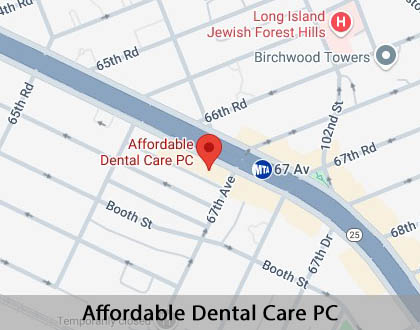
Scan here to open directions to Affordable Dental Care PC on mobile
Back to top of Periodontics
Related Posts
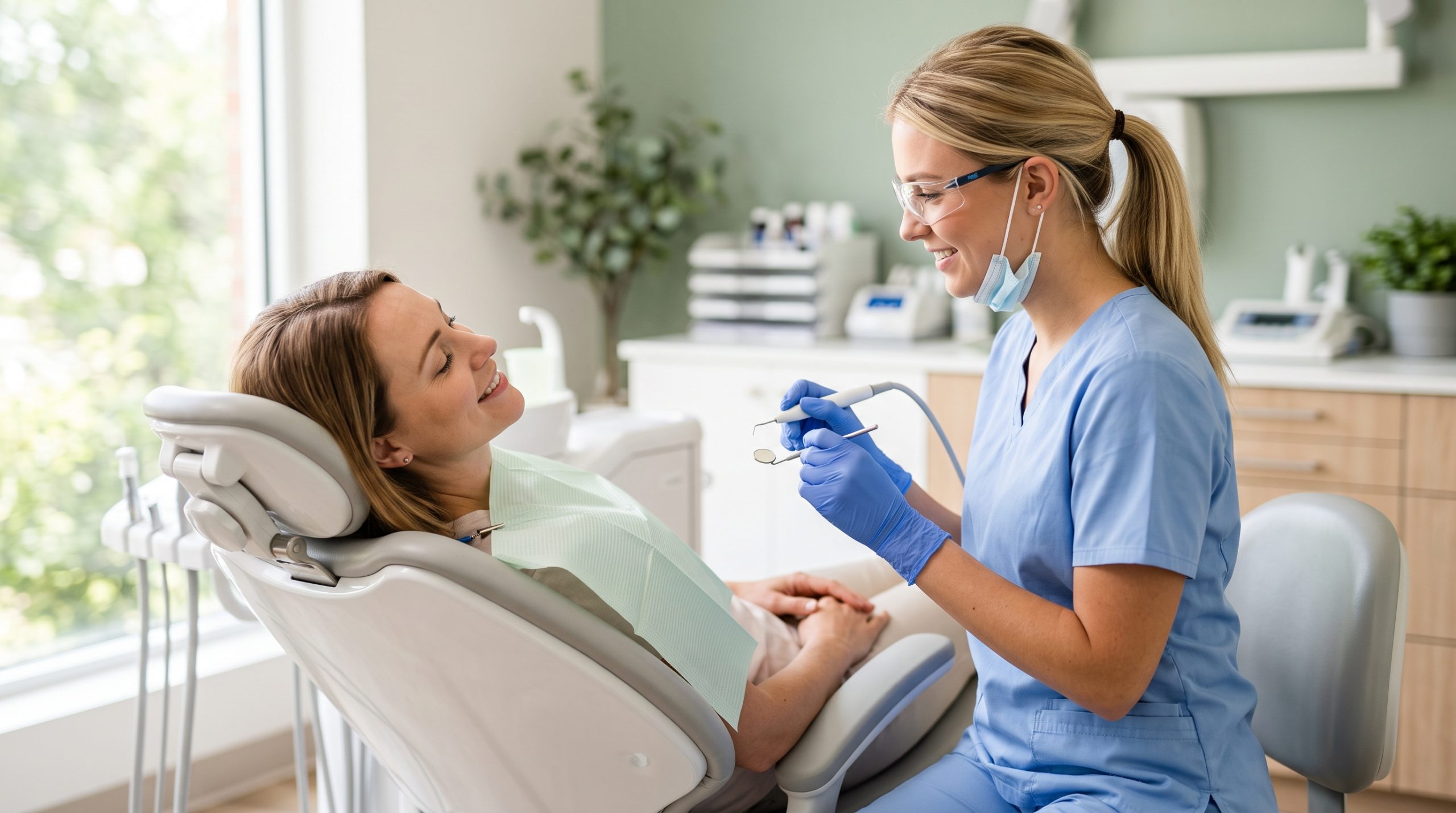
What Is Periodontal Scaling And Root Planing?
If your dentist has recommended scaling and root planing, you may be wondering what it is and why a regular cleaning is not enough. Scaling and root planing is a deep cleaning used to treat gum disease, and it is one of the most effective ways to stop the disease before it damages the bone…

Receding Gums: Causes And Treatment Options
Have you noticed that your teeth look a little longer than they used to, or that they have become sensitive to hot and cold? These are common early signs of receding gums, a condition in which the gum tissue pulls back and exposes more of the tooth. Gum recession is very common, and while it…

Types Of Dentures: Full, Partial, And Implant-Supported
If you are missing teeth, dentures are one of the most affordable and effective ways to restore your smile, your bite, and your confidence. But dentures are not one-size-fits-all. There are three main types, and choosing the right one depends on how many teeth you are missing, your budget, and how much stability you want.…
Best Dentist In Queens: How To Find Affordable, Quality Dental Care
Finding the right dentist is one of those decisions that feels simple until you actually start looking. Queens is one of the largest and most diverse places in the country, and a quick search for a dentist returns pages of options, all of them promising the best care. So how do you cut through the…
Explore additional topics covered on our website:
Call Us Today

Scan here to call Affordable Dental Care PC on mobile