
Tooth Extraction Rego Park, NY
Tooth extractions are often a necessary procedure to help maintain a healthy oral cavity and improve oral function. There are many things that may warrant a tooth extraction. Understanding the recommended protocol for what to do before, during, and after the procedure can greatly aid in healing. Following a tooth extraction, a variety of tooth replacement options can give patients a fully-restored smile.
Affordable tooth extractions are available at Affordable Dental Care PC in Rego Park, serving patients across Forest Hills, Elmhurst, and the greater Queens area (11374). We provide both simple and surgical extractions and can help relieve the pain and discomfort caused by a decayed or damaged tooth. Call us today at (718) 897-3434 to schedule an appointment or learn more about our services.
Reasons for Tooth Extraction
Teeth may require extraction if they have suffered damage beyond repair, either through trauma or decay. Other factors that may necessitate tooth extraction include overcrowding, infection, and risk of infection. Typically, tooth extraction for overcrowding occurs when preparing the mouth for braces. Braces are meant to realign the teeth, meaning teeth must have adequate space to move around. A tooth extraction may also occur as part of the orthodontic process if there are teeth that do not have enough room to erupt through the gum.
Teeth may become infected when decay or damage extends to the pulp (the nerves and blood vessels at the center of the tooth). Root canal therapy is often enough to treat this problem. However, tooth infections may become severe enough to require extraction and prevent them from spreading any further. Patients who are immunocompromised may need to have teeth removed even if they are just at risk of infection.
“Teeth may require extraction if they have suffered damage beyond repair, either through trauma or decay.”
Preparing for an Extraction
Before setting an extraction appointment, we typically perform a thorough physical examination and consultation. There are various factors that can impact an extraction, including general health conditions, diseases, and prior or future treatments and procedures. Once we determine that the patient is a good candidate for extraction, we will set the appointment and provide guidelines for before and after the procedure.
Preparation for an extraction depends on the type of procedure, simple or surgical. A simple extraction for easily visible and accessible teeth involves a local anesthetic which will only numb the extraction area. A surgical extraction is generally for teeth that are below the gumline and require small incisions to reach. In most surgical extractions, an IV or general anesthesia will help keep the patient calm and relaxed throughout the often lengthy procedure.
“Preparation for an extraction depends on the type of procedure: simple or surgical.”
Process of an Extraction
Once the extraction site and surrounding areas are completely numb, we can safely start the extraction procedure. Teeth are firmly attached to periodontal ligaments in the gums. The first step is to carefully detach the tooth from the ligament fibers using a thin blade. We will place gauze behind the site and toward the back of the throat to prevent the patient from accidentally swallowing the tooth.
In a simple extraction, we use a special instrument known as an elevator to loosen the tooth out of its socket. In surgical extractions, we will need to make small incisions around the encapsulated tooth to expose it. In some cases, the tooth will require removing bit by bit; in others, the tooth may be visible enough to extract whole using the elevator.
“The first step is to carefully detach the tooth from the ligament fibers using a thin blade.”
Post-Extraction Care
Following any extraction procedure, we provide patients with after-care instructions for a safe and fast recovery. The blood clot present after an extraction is intended to keep the site covered and prevent dry mouth or dry socket. Furthermore, the initial gauze placed after the extraction should be kept in the mouth for a few hours to help with forming the blood clot.
After the first few hours, the numbing agent will start wearing off. Patients are prescribed pain killers, antibiotics, and anti-inflammatory medications to alleviate discomfort and help fight infection. It is important to avoid rinsing, spitting, sneezing, smoking, using straws, and blowing the nose until the extraction site has healed. The extraction site must remain clean at all times by changing the gauze and using a saltwater solution. Merely have the saltwater clean the site; do not rinse harshly.
“It is important to avoid rinsing, spitting, sneezing, smoking, using straws, and blowing the nose until the extraction site has healed.”
Check out what others are saying about our dental services on Yelp: Tooth Extraction in Rego Park, NY
What to Know Before Tooth Extractions
Tooth extraction is generally a safe procedure. Additionally, our team will not recommend a treatment unless the benefits outweigh the risks. However, it is still important to be aware of potential complications. Typically, after a tooth extraction, a blood clot will form in the socket left behind. However, when this blood clot does not form or is prematurely dislodged, then the bone inside the socket may be exposed. This condition is known as dry socket.
Symptoms include severe and radiating pain, visible bone, bad breath, and foul taste. We can treat this condition easily by putting a new, sedative dressing over the socket for a few days to allow a new clot to form. Additionally, patients should watch out for bleeding that lasts longer than 12 hours, chest pain, cough, nausea, severe fever and chills, shortness of breath, swelling and redness at the surgical site, and vomiting. If any of these symptoms occur, call our office immediately.
“We will not recommend a treatment unless the benefits outweigh the risks.”
Affordable, Same-Day, and Emergency Extractions in Rego Park and Queens
If you have been searching for an affordable tooth extraction near you, our team at Affordable Dental Care PC provides simple and surgical extractions for patients across Rego Park, Forest Hills, and the greater Queens area. The cost of an extraction depends on the tooth, its position, and whether the removal is simple or surgical, so we review pricing and payment options up front and work with your insurance to keep care affordable.
When a tooth is badly broken, infected, or causing severe pain, waiting is not always an option. We make every effort to provide same-day and emergency tooth extraction so you are not left in pain. If you are dealing with a dental emergency, our emergency dentist page explains how to reach us quickly. For wisdom teeth specifically, you can learn more on our wisdom teeth extraction page.
After an extraction, we also help you plan for what comes next. Depending on the tooth, replacement options such as dental implants, a bridge, or dentures can fill the gap and protect your bite. We will walk through the choices that fit your goals and your budget. Call (718) 897-3434 to schedule an evaluation.
“We make every effort to provide same-day and emergency tooth extraction so you are not left in pain.”
Questions Answered on This Page
Q. Do I need a tooth extraction?
Q. Are there any risks associated with tooth extraction?
Q. How does a dentist prepare a tooth for extraction?
Q. What happens during a tooth extraction?
Q. What should I do after a tooth extraction?
People Also Ask
Q. How do I begin preparing for wisdom teeth extraction?
Q. Why is stopping infection from spreading important?
Frequently Asked Questions
Q. How much does a tooth extraction cost in Rego Park and Queens?
A. Cost depends on the tooth and whether the extraction is simple or surgical. A simple extraction of a visible tooth is less involved than a surgical extraction below the gumline. At Affordable Dental Care PC in Rego Park we keep extractions affordable, review pricing and payment options up front, and work with your insurance. Call (718) 897-3434 for an estimate.
Q. Do you offer same-day or emergency tooth extraction?
A. Yes. When a tooth is severely damaged, infected, or causing significant pain, we make every effort to provide same-day or emergency tooth extraction so you are not left waiting in pain. Call us as early in the day as possible so we can try to fit you in.
Q. What is the difference between a simple and surgical extraction?
A. A simple extraction removes a tooth that is fully visible and accessible, usually with a local anesthetic. A surgical extraction is used for teeth that are broken at the gumline or impacted, and it involves a small incision and sometimes sedation. Your dentist determines which you need during the exam.
Q. What are my options to replace a tooth after an extraction?
A. After an extraction, options to fill the gap include a dental implant, a bridge, or a partial denture. Replacing the tooth protects your bite and keeps nearby teeth from shifting. We will review the choice that best fits your goals and budget during your follow-up.
Q. How long does the pain last after an extraction?
A. Recovering from an extraction varies from patient to patient, but healing time generally lasts from one to two weeks. Pain stemming from the extraction site may be present for the first 48 to 72 hours, but patients should take their medications as prescribed to reduce pain and aid with healing. Patients experiencing pain that lasts longer than two weeks should call us to schedule a follow-up appointment.
Q. Will I need any other appointments following the extraction procedure?
A. In most cases, we like to schedule a follow-up appointment with all patients who have undergone an extraction. Whether the procedure was minor or severe, blood clots can dislodge without a patient realizing, and other complications may not exhibit signs. During the follow-up, we will check the extraction site, clean it thoroughly, and discuss possible tooth replacement options.
Q. Are wisdom teeth always extracted?
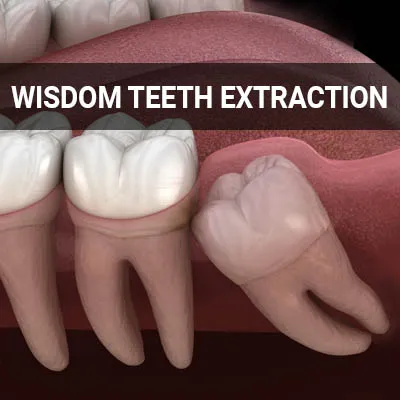
A. Wisdom teeth only need to be extracted when they are impacted, causing pain or pressure, or are pushing inwards to the neighboring teeth. In most cases, these signs are evident when the wisdom teeth first erupt, but they may become apparent later in adulthood as well. We will discuss whether a patient should remove their wisdom teeth when it becomes necessary.
Q. What happens if I have a complication after an extraction?
A. Most complications that arise after an extraction can be treated. In cases of dry socket, we can thoroughly flush out the infection and apply a medicated dressing to seal the hole. For other complications, there may be a treatment or surgery that follows to treat the condition and keep the oral cavity healthy.

Scan here to view this page, Tooth Extraction, on mobile

Dental Terminology
Learn More Today
A tooth extraction can relieve pain and protect the rest of your smile, and we make the process as comfortable and affordable as possible. To schedule an extraction in Rego Park, call Affordable Dental Care PC today at 718-897-3434 to learn more or schedule an appointment.
Helpful Related Links
- American Dental Association (ADA). Glossary of Dental Clinical Terms. 2025
- Mouth Healthy by the ADA. Extractions. 2025
- WebMD. WebMD’s Oral Care Guide. 2025
About our business, license, and website security
- Affordable Dental Care PC was established in 1998.
- We accept the following payment methods: American Express, Cash, Check, Discover, MasterCard, and Visa
- We serve patients from the following counties: Queens
- We serve patients from the following cities: Queens
- NY (License #458341). View License Information and Specifics
- National Provider Identifier Database (1205042033). View NPI Registry Information
- Healthgrades. View Background Information and Reviews
- Norton Safe Web. View Details
- Trend Micro Site Safety Center. View Details

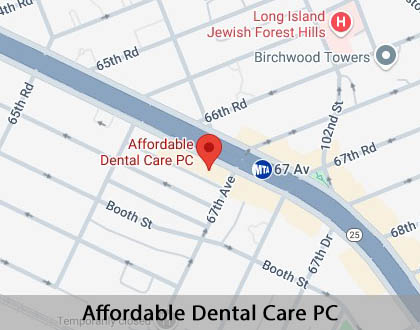
Scan here to open directions to Affordable Dental Care PC on mobile
Back to top of Tooth Extraction
Related Posts

Dental Emergency For An Oral Soft Tissue Injury
A dental emergency can happen at any time, particularly to the soft tissue in your mouth. This guide will go over what kinds of emergencies can occur and what steps you should take afterward. This will help you to take care of yourself, whether you are currently experiencing an injury in your mouth or you’re…

Best Dentist In Queens: How To Find Affordable, Quality Dental Care
Finding the right dentist is one of those decisions that feels simple until you actually start looking. Queens is one of the largest and most diverse places in the country, and a quick search for a dentist returns pages of options, all of them promising the best care. So how do you cut through the…

What To Expect At Your Child's First Dental Visit
A child's first trip to the dentist is a milestone, and it is normal for parents to wonder what to expect. The good news is that a first visit is designed to be gentle, friendly, and reassuring, for your child and for you. Starting dental care early sets your child up for a lifetime of…

How Much Does A Root Canal Cost In Queens?
If you have been told you need a root canal, one of the first questions on your mind is probably how much it will cost. It is a fair question, and an important one. The honest answer is that the price depends on your specific situation, but understanding what goes into it makes the number…
Explore additional topics covered on our website:
Call Us Today

Scan here to call Affordable Dental Care PC on mobile