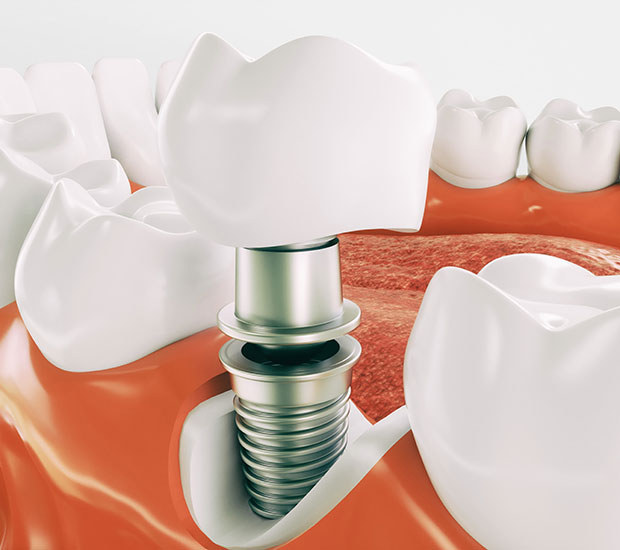
Dental Implant Restoration in Rego Park, NY
Dental implant restoration in Rego Park is for patients whose existing implants have become loose, damaged, or problematic. This is different from getting a new implant: restoration is about repairing or replacing a failed component, whether that is a chipped crown, a loosened abutment, or the implant post itself. If you are replacing a missing tooth for the first time, our dental implants page is the better starting point. If your current implant is giving you trouble, Affordable Dental Care PC can help, and it is best to address it before a minor issue becomes a serious one.
Our team serves patients throughout Queens and the greater New York City area who need implant repair, crown replacement, or full implant re-placement. Patients who experienced bone loss may also require a bone graft before a new implant can be placed. A loose or damaged implant should be treated as a dental emergency, so contact us at (718) 897-3434 right away.
Signs Your Dental Implant May Need Restoration
Most dental implants perform without issue for years or even decades. However, knowing the warning signs that something is wrong can help patients seek care before a minor problem becomes a major one. Patients with dental implants should contact our office promptly if they notice any of the following:
- A loose or wobbly crown: The crown can loosen over time due to normal wear or a loosened abutment screw. This is usually straightforward to fix and does not necessarily mean the implant post itself has failed.
- Pain or persistent discomfort around the implant site: While implants do not have nerves, the surrounding tissues do. New or worsening pain around an implant may indicate infection or bone issues that require immediate evaluation.
- Swelling, redness, or bleeding around the gums near the implant: These can be signs of peri-implantitis, an infection of the tissue surrounding the implant. Untreated, peri-implantitis can lead to bone loss and implant failure. Our periodontics team can help diagnose and treat gum-related complications.
- Difficulty chewing on the implant side: A change in bite or chewing function may indicate the crown, abutment, or implant post has shifted or been damaged.
- A visibly cracked or chipped crown: The porcelain crown attached to the implant can fracture just like a natural tooth, especially in patients who grind their teeth. Wearing a night guard can help prevent this.
- The implant feels loose or is moving: This is the most serious warning sign. A loose implant post means osseointegration has failed. Treat this as a dental emergency and call (718) 897-3434 immediately.
“A loose implant post is a dental emergency. Contact our office immediately if your implant is moving.”
The Causes of Implant Failure
While the success of the implant process relies on several factors, certain actions and health conditions can increase the risk of implant failure. For example, bruxism and gum disease may harm a healing implant, while conditions such as osteoporosis may make the bone too weak to support or anchor the implant screw. Furthermore, according to the Journal of Clinical and Experimental Dentistry, radiation therapy (especially to the head and neck) from ongoing cancer treatment can inhibit the bones' healing ability.
Additionally, for dental implants to work, there must be enough bone mass to hold the implants securely. If there is inadequate bone mass, the dentist may suggest bone augmentation or bone grafting before a new implant can be placed. The oral cavity, especially the teeth and the supporting tissues, must also be healthy for the implants to hold up.
Depending on the location of the implant, smoking can also cause implant failure. The dentist may recommend quitting smoking totally or until the treatment ends. Certain medications, such as antidepressants, may also influence the rate of bone metabolism and affect the osseointegration process negatively.
“While the success of the implant process relies on several factors, certain actions and health conditions can increase the risk of implant failure.”
Dental Implant Restoration Basics
Though dental implants are generally successful, there are occasional instances where restoration or replacement is necessary. Fortunately, a failed implant is easy to remove, and the procedure is relatively common for dentists to perform. If the dentist decides that the implant needs replacement, they will remove it and carefully clean the area. As a result, there will be no bone loss around the implant site if there is no need for a bone graft procedure.
However, if there is bone loss, the dentist may use a bone graft to make the implant restoration process possible. It may take several months for the bone to heal before a new implant can be inserted. The dentist may discuss ways to mitigate the risk factors that led to the initial implant failure during the healing process. These preventive measures may include quitting smoking, using mouthguards, and more.
“Though dental implants are generally successful, there are occasional instances where restoration or replacement is necessary.”
Types of Dental Implant Restorations
Not all implant restoration cases are the same. The appropriate treatment depends on which component of the implant system has been damaged or has failed. Here is an overview of the most common types of implant restoration we perform at Affordable Dental Care PC:
- Crown replacement: The most common and least invasive type of restoration. If the porcelain crown on top of the implant chips, cracks, or shows significant wear, it can be replaced without disturbing the implant post or abutment. A new crown is fabricated and attached, typically in two appointments.
- Abutment repair or replacement: The abutment is the connector piece between the implant post and the crown. If the abutment screw loosens or fractures, the dentist can usually remove and replace it without extracting the implant post. The crown can often be reused after this repair.
- Full implant replacement: When the titanium post itself has failed, whether from poor osseointegration, infection, or trauma, it must be surgically removed and replaced. If bone loss has occurred, a bone graft will be required before the new implant post can be placed. After healing, the implant restoration process begins again with abutment and crown placement.
- Implant-supported bridge restoration: For patients with implant-supported dentures or bridges, individual components can sometimes be repaired or replaced without removing the entire prosthesis. The specific approach depends on whether the attachment mechanism, framework, or denture teeth have been damaged.
Dr. Pinkhasova will conduct a thorough examination, including imaging if needed, to determine which type of restoration is appropriate for your specific situation before any treatment begins.
“The appropriate treatment depends on which component of the implant system has been damaged or has failed.”
How Much Does Dental Implant Restoration Cost in Rego Park?
The cost of restoring an implant depends heavily on which part of the implant needs attention. Replacing a crown is far less expensive than removing and replacing a failed implant post, which may also involve a bone graft and several months of healing. Because that range is so wide, the only reliable way to get a figure for your situation is an examination.
Some restorative work, such as replacing a crown damaged in an accident, may be partially covered by insurance, while purely elective repairs may not be. At Affordable Dental Care PC, we provide a clear, itemized estimate before treatment begins and offer flexible payment options and CareCredit financing, so a damaged implant can be addressed promptly rather than left to worsen. Ask about our current offers when you call.
“Replacing a crown is far less expensive than removing and replacing a failed implant post, so the only reliable way to get a figure is an examination.”
Replacing Dental Implants
Restoring dental implants consists of two treatment stages: the implant placement and the restorative stage. The implant placement stage can be a one- or two-stage process depending on the approach. In any case, the dentist will place the implant inside the jaw and cover the implant post with a cover screw to prevent bone in-growth. They will then cover both the implant and cover-screw with gingival tissue. The bone will need to heal around the implant for about three to six months, depending on the quality and quantity of the bone. Throughout healing, the bone will fuse or bond with the implant in a process known as osseointegration.
Once the oral tissues have healed fully, the restoration process can begin. For single-implant restorations, the dentist can choose between the screw-retained crown or cement-retained crown, depending on the patient's preferences and the implant's position. The screw-retained crown has a screw access hole that fits over the abutment, featuring an anti-rotation feature to lower the chances of screw loosening. The main advantage is retrievability in case of loosening or fracture and easy examination of the implant and gums.
The other option is the cement-retained crown. Using dental cement, the dentist will fix the crown directly to a custom abutment connected to the implant. Patients with aesthetic concerns will benefit from this option because it assures the most cosmetic appeal. However, the restoration cannot be removed without causing damage to the crown, and residual cement may become a medium for bacterial growth.
“Restoring dental implants consists of two treatment stages: the implant placement and the restorative stage.”
Check out what others are saying about our dental services on Yelp: Dental Implant Restoration in Rego Park, NY
Dental Implant Restoration Aftercare Instructions
Due to the invasive nature of dental implant restoration, patients may experience some swelling or sensitivity at the operation site. While this is normal, proper oral care is vital to prevent infection and irritation. The dentist may suggest getting painkillers to alleviate swelling and discomfort. Ice packs or cold compresses can also work.
Patients should take some time off work after the procedure for recovery. The oral cavity will feel normal within two to five days. However, if sensitivity and pain persist for too long, an appointment with the doctor may be in order. After completing the restoration procedure, it is vital to practice good oral hygiene, including regular brushing and flossing, and regularly visit the dentist for checkups. Patients who grind their teeth should also ask about a custom night guard to protect the restored implant long-term.
“…proper oral care is vital to prevent infection and irritation.”
Questions Answered on This Page
Q. What do I do if my implant feels loose?
Q. What are some of the causes of dental implant failure?
Q. Is dental implant restoration common?
Q. What is it like to get dental implants restored?
Q. How should I take care of myself after dental implant restoration?
Q. What are the signs my implant needs restoration?
Q. What types of dental implant restorations are there?
Q. How much does dental implant restoration cost in Rego Park?
People Also Ask
Q. When should people seek an implant dentist?
Q. When is a dental restoration necessary?
Q. What happens during the implant placement surgery?
Q. What is restorative dentistry?
Q. How long does it take to place a dental implant?
Q. What dietary and lifestyle changes do I need to make after my dental implant procedure?
Loose and Fractured Implants
If the crown is loose or broken or the abutment that joins it to the implant is loose, it is more likely to be an easy fix. However, if the actual implant post is loose or fractured, things get more complicated. A broken implant post must be taken out and replaced with a new one. The same goes for a loose implant post, but there are cases where the crown may be reused on the new implant. If you have had bone loss, you may need bone grafting and time to heal before receiving the new implant.
No matter what the cause, treat a loose implant as a dental emergency. A loose implant can lead to bone loss and infection, and any type of damage can worsen if ignored. Call our team right away at (718) 897-3434 if an implant becomes loose or damaged. Our emergency dental team can evaluate the situation the same day whenever possible.
“No matter what the cause, treat a loose implant as a dental emergency.”
Frequently Asked Questions
Q. Is dental implant restoration painful?
A. When you come to the office, the dentist will discuss pain management options with you. Afterward, you can use over-the-counter pain relievers to manage pain. The pain with dental implant restoration is usually minimal if you follow the dentist's instructions.
Q. What happens if damages occur to the implant restoration?
A. The repair procedure depends on the part of the implant that needs repair. If the dental crown suffers damage, the dentist can replace or repair it without touching the titanium implant. If the problem is with the actual implant, the dentist may need to remove the implant and perform a bone graft procedure. It will be impossible to replace a loose implant if the dentist does not correct the issue with the jawbone.
Q. Will other implants fail due to one loose implant?
A. Dental implants have a success rate of more than 95%, which means the chances of failure are low. It is rare for one implant to fail, and even if it does, the others should remain intact. As a precaution, if an injury caused the failure of one implant, you should have the entire teeth checked to ensure nothing else is damaged.
Q. Can I still get dental implants if my tooth went missing a long time ago?
A. Usually, the longer you go without replacing a lost tooth, the lesser your chances of getting dental implants due to loss of bone density. However, this is not a deal-breaker. The dentist may augment the bone or suggest mini dental implants for the tooth restoration process.
Q. How long will my dental implant restoration last?
A. With the proper care, dental implant restorations can last decades. Most patients will not experience any issues after restoration.
Q. How do I know if my implant needs restoration vs. full replacement?
A. The answer depends on which part of the implant system has been affected. If the crown or abutment is damaged, restoration is usually possible without removing the implant post itself. If the titanium post has failed to integrate with the bone, or if it is loose, full removal and replacement are typically required. Our team will take X-rays and conduct a clinical examination to determine the appropriate treatment before recommending a course of action.
Q. Can a dental implant crown be replaced without removing the implant?
A. Yes, in most cases. If the crown chips, cracks, or shows wear, it can be replaced without touching the underlying implant post or abutment. A new crown is fabricated to match the color and shape of the surrounding teeth and attached to the existing abutment. This is the most common and least invasive type of implant restoration and can usually be completed in two appointments.
Q. Does insurance cover dental implant restoration?
A. Coverage varies by insurance plan. Some plans that include restorative dental benefits may cover crown replacement or repair procedures, especially if the damage resulted from an accident. Plans that categorize implants as elective or cosmetic may not provide coverage. Our team is happy to help you verify your benefits before treatment. Patients may also use CareCredit or other financing options to manage out-of-pocket costs.
Q. How long does the dental implant restoration process take?
A. The timeline varies depending on the type of restoration needed. Crown replacement typically takes two appointments over two to three weeks. Abutment repair is often completed in a single visit. Full implant replacement, including healing and osseointegration, can take three to six months or longer if bone grafting is required. Dr. Pinkhasova will provide a personalized timeline estimate at your consultation appointment.

Scan here to view this page, Dental Implant Restoration, on mobile

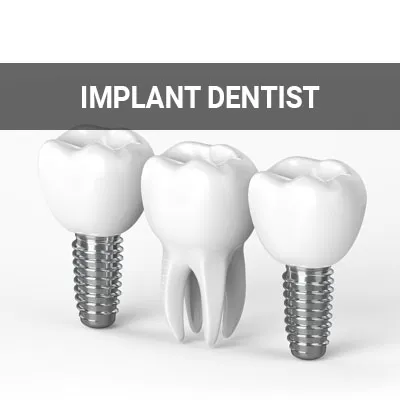
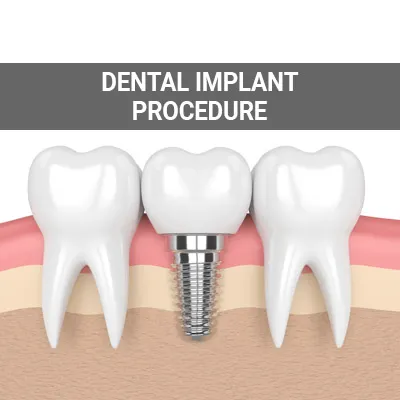
Dental Implant Terminology
Experiencing Issues with a Dental Implant? We Can Help.
A loose, damaged, or painful implant should never be ignored. Affordable Dental Care PC provides dental implant restoration for patients throughout Rego Park, Forest Hills, Jackson Heights, Elmhurst, and the wider Queens area. Whether you need a crown replacement, abutment repair, or a full implant re-placement, Dr. Pinkhasova will evaluate your situation and recommend the most appropriate and least invasive solution.
If your implant feels loose, call us immediately, since this is a dental emergency and should be evaluated the same day. For non-urgent concerns such as a chipped crown or minor sensitivity, call to schedule a consultation at your convenience. We also invite you to check our current patient special offers for your first visit.
98-120 Queens Blvd Ste 1H, Rego Park, NY 11374 | Serving Queens, Forest Hills, Jackson Heights, Elmhurst & surrounding areas
Helpful Related Links
- American Dental Association (ADA). Glossary of Dental Clinical Terms. 2025
- American Academy of Cosmetic Dentistry® (AACD). Home Page. 2025
- WebMD. WebMD’s Oral Care Guide. 2025
About our business, license, and website security
- Affordable Dental Care PC was established in 1998.
- We accept the following payment methods: American Express, Cash, Check, Discover, MasterCard, and Visa
- We serve patients from the following counties: Queens
- We serve patients from the following cities: Queens
- NY (License #458341). View License Information and Specifics
- National Provider Identifier Database (1205042033). View NPI Registry Information
- Healthgrades. View Background Information and Reviews
- Norton Safe Web. View Details
- Trend Micro Site Safety Center. View Details

Scan here to open directions to Affordable Dental Care PC on mobile
Back to top of Dental Implant Restoration
Related Posts
Best Dentist In Queens: How To Find Affordable, Quality Dental Care
Finding the right dentist is one of those decisions that feels simple until you actually start looking. Queens is one of the largest and most diverse places in the country, and a quick search for a dentist returns pages of options, all of them promising the best care. So how do you cut through the…

What To Expect At Your Child's First Dental Visit
A child's first trip to the dentist is a milestone, and it is normal for parents to wonder what to expect. The good news is that a first visit is designed to be gentle, friendly, and reassuring, for your child and for you. Starting dental care early sets your child up for a lifetime of…

How Much Does A Root Canal Cost In Queens?
If you have been told you need a root canal, one of the first questions on your mind is probably how much it will cost. It is a fair question, and an important one. The honest answer is that the price depends on your specific situation, but understanding what goes into it makes the number…
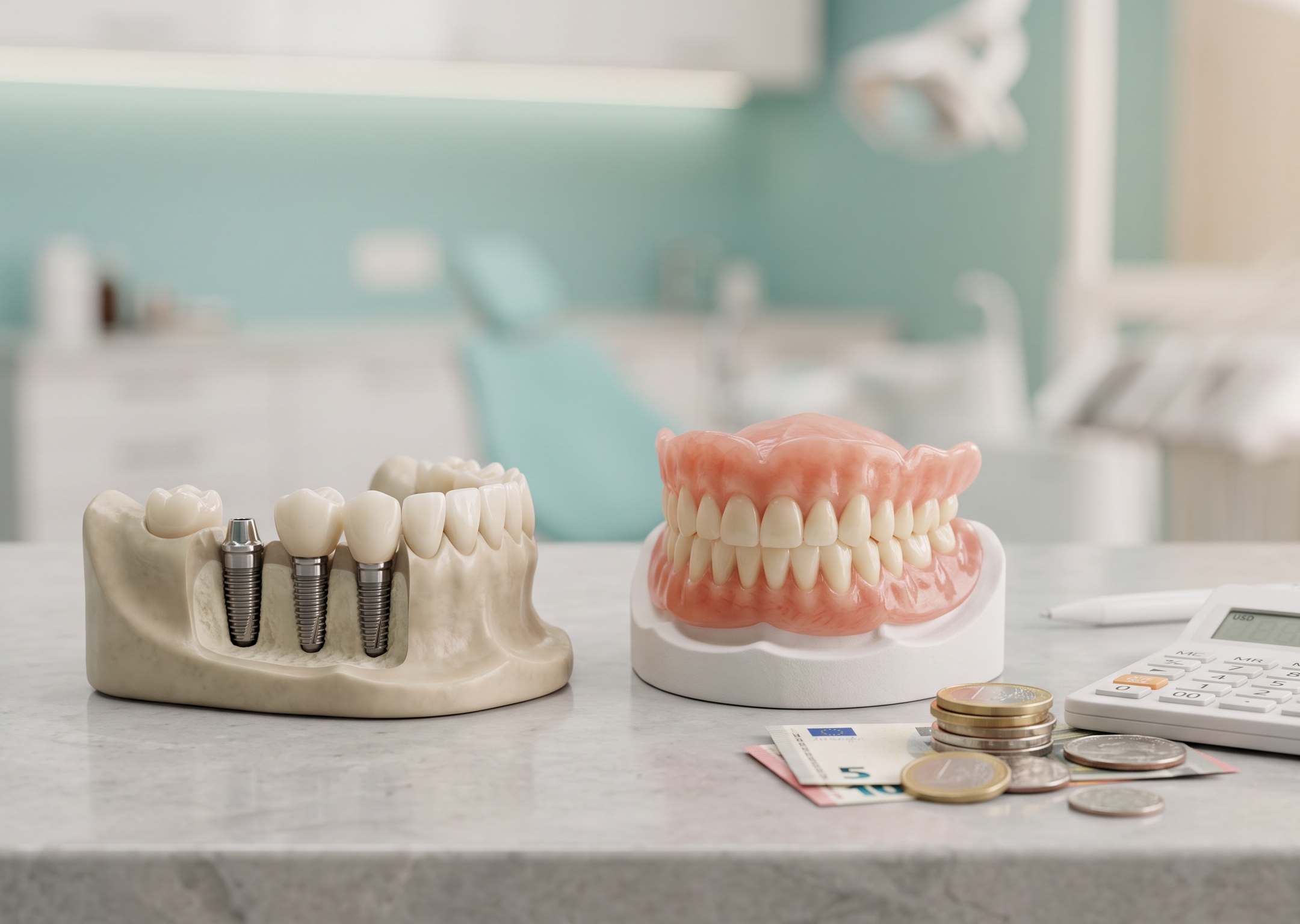
Are Dental Implants Or Dentures Cheaper In The Long Run?
When patients in Queens are replacing missing teeth, one of the first questions they ask is simple: which costs less, implants or dentures? The short answer is that dentures are cheaper upfront, but that is not the whole story. The real question is what each option costs over the years you will use it. This…
Explore additional topics covered on our website:
Call Us Today

Scan here to call Affordable Dental Care PC on mobile