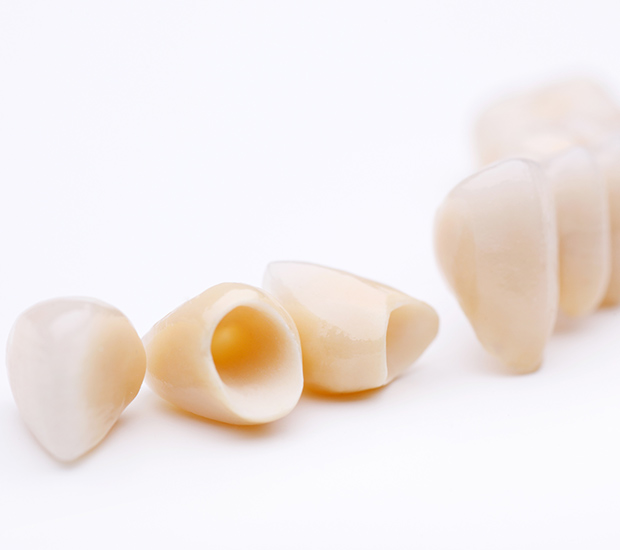
Dental Crowns and Dental Bridges in Rego Park, NY
Patients seeking dental crowns or dental bridges in Rego Park can find expert restorative care at Affordable Dental Care PC. We serve patients throughout Queens and the greater New York City area who need to repair damaged teeth, replace missing teeth, or restore the appearance and function of their smile. Crowns and bridges are among the most effective and durable solutions available for these concerns.
Dental crowns are often placed following a root canal treatment or to restore a tooth after dental implant placement. Bridges are frequently considered when a patient has one or more missing teeth and does not want dentures. Crowns are often offered as part of a larger treatment plan that considers each patient's medical history, oral health, and personal preferences.
Getting a crown can provide benefits in several types of situations. Consulting a qualified dentist about available options is critical in making the right decisions for your dental care. Call us at (718) 897-3434 to make an appointment.
What is a Dental Crowns and Dental Bridges?
A dental crown is a cap shaped like a tooth that provides support and protection for a damaged tooth. This may be necessary when a natural tooth is broken, worn down, or structurally weak. A crown can also be placed on a tooth that has a large filling, which can weaken its structure. Crowns can also be used cosmetically to cover a tooth when the patient is unhappy with its color or shape.
We also place crowns to support a dental bridge. A dental bridge is used to replace one or several missing teeth. It consists of the replacement tooth or teeth on a framework, which attaches to teeth on either side. This framework can be permanent or removable. To support a bridge, the teeth on either side need to be fitted with crowns.
“A dental crown is a cap shaped like a tooth that provides support and protection for a damaged tooth.”
How Dental Bridges Work with Dental Crowns
It is not uncommon for patients to get dental crowns to complete a dental bridge. According to WebMD, bridges fill in the gap left behind by a missing tooth. If a patient has a single missing tooth, dentists may restore it by creating a dental appliance that anchors to the two adjacent teeth. The dentist must reshape the two abutment teeth to secure the dental bridge. Reshaping these teeth involves removing much of the enamel. The abutment teeth are topped with dental crowns which attach to the new artificial tooth that makes up the middle piece of the bridge.
“The dentist must reshape the two abutment teeth to secure the dental bridge.”
Preparing for a Dental Crowns and Dental Bridges
Patients who opt for a dental crown first need an appointment to prepare the tooth. Our dentist must make sure that the roots are in good shape. If X-rays and other examinations reveal decay or infection, a root canal may be necessary. The other preparation steps include the following:
- Shaping the tooth. If the tooth’s surface is mostly intact, the dentist removes some of the surfaces and sides by filing them down, which is usually done under local anesthetic. On the other hand, if there is not a lot of the tooth left, the dentist may need to use filling material to build it up instead.
- Taking impressions. Once the tooth is the right shape and size, our team takes an impression of the mouth using dental putty. An impression of both jaws is necessary to situate the crown and ensure correct bite alignment properly. The impression is sent to the dental lab to create a mold for making the crown.
- Making a temporary crown. It usually takes the dental lab about two or three weeks to make the permanent crown. In the meantime, our dentist creates a temporary crown from acrylic. It is attached with temporary cement and shields the tooth until the permanent crown can be placed.
“Patients who opt for a dental crown first need an appointment to prepare the tooth.”
Check out what others are saying about our dental services on Yelp: Dental Crowns and Dental Bridges in Rego Park, NY
Receiving a Dental Crown Step-by-Step
It may take a few appointments for a patient to receive a crown. In many cases, the dental crown procedure is part of another dental treatment plan, such as a root canal. Here is the step-by-step process for getting a dental crown:
- Before the Crown. The dentist treats any problems before starting the dental crown creation process. Any infections or cavities must be addressed or filled. Sometimes, an old crown needs replacement. In this case, the dentist will remove the remnants first.
- Preparation. Next, the dentist must prepare the tooth for the crown. The dentist or another member of our team will shave down the tooth to make room for the crown. Then, the dental staff makes a series of impressions to send to the lab. Some patients receive a temporary crown at the end of this appointment.
- Crown Delivery. Once the crown is ready for delivery, the patient must return to the office for placement. First, the dentist tries on the crown to make sure it feels and looks right in the mouth. If it fits correctly, the dentist uses dental cement to glue it in place permanently.
“In many cases, the dental crown procedure is part of another dental treatment plan, such as a root canal.”
Questions Answered on This Page
Q. How do dental bridges work with dental crowns?
Q. What is it like to go through the process of receiving a dental crown?
Q. What is entailed in the process before getting a dental crown?
Q. What are the types of dental crowns?
Q. What is the difference between crowns, veneers, and fillings?
Q. How much do dental crowns cost in Rego Park?
People Also Ask
Q. What is a dental emergency?
Q. What is restorative dentistry?
Q. When is a dental restoration necessary?
Types of Dental Crowns and Dental Bridges
There are many different materials used in dental crowns, including porcelain, ceramic, zirconia, metal, composite resin, or a combination of materials. The type of crown depends largely on the patient's case, condition, treatment type, and current oral health status. Patients are often able to choose the type of crown they prefer if their condition permits.
Dental crowns are often used to replace a tooth after an extraction, root canal, implant procedure, or other treatment. After an evaluation, we are able to determine the type of crown to best fit the patient's case. Consult our team with questions about our dental crown services and the types of crowns that could be suitable for your condition.
“The type of crown depends largely on the patient’s case, condition, treatment type, and current oral health status.”
Dental Crowns vs. Veneers vs. Fillings: What Is the Difference?
One of the most common questions patients ask is how dental crowns compare to other restorations like veneers and fillings. All three repair or improve a tooth, but they are suited to different situations. A crown covers and protects an entire tooth, a dental veneer covers only the front surface for cosmetic reasons, and a filling repairs a small area of decay or damage. The right choice depends on how much of the tooth needs treatment and whether the goal is structural, cosmetic, or both.
| Dental Crown | Veneer | Filling | |
|---|---|---|---|
| Best for | Badly damaged, weak, or broken teeth | Cosmetic changes to front teeth | Small areas of decay or minor damage |
| Coverage | Caps the entire tooth | Covers only the front surface | Fills only the affected spot |
| Tooth prep | More tooth reshaping required | Minimal enamel removed | Least amount of tooth removed |
| Durability | 5 to 15 years or more | 10 to 15 years | 5 to 10 years |
| Primary goal | Structure and protection | Appearance | Repair and prevent further decay |
If you are not sure which option is right for you, our team will examine the tooth and recommend the most conservative treatment that will fully address the problem. In many cases, a crown is the best choice when a tooth is too damaged for a filling but needs more than a cosmetic veneer.
“A crown is often the best choice when a tooth is too damaged for a filling but needs more than a cosmetic veneer.”
How Much Do Dental Crowns Cost in Rego Park?
The cost of a dental crown varies based on several factors, so there is no single price that fits every patient. As a trusted dentist in Rego Park, NY, our goal is to be transparent about what affects the price and to help you understand your options before treatment begins. The main factors that influence the cost of a crown include:
- Crown material. Porcelain, ceramic, zirconia, metal, and porcelain-fused-to-metal crowns each carry different costs. Tooth-colored materials used on visible front teeth are often priced differently than metal crowns placed on back teeth.
- Additional treatment needed. If the tooth requires a root canal, build-up, or other work before the crown is placed, that affects the overall cost.
- Whether the crown is part of a bridge. A crown placed to support a dental bridge involves more than one unit, which changes the total.
- Your dental insurance. Many dental insurance plans cover a portion of crowns when they are medically necessary. The amount covered depends on your specific plan and benefits.
The best way to get an accurate estimate is to schedule a consultation. We will examine the tooth, explain which crown options are appropriate, review your insurance coverage, and give you a clear cost estimate before any work begins. We also accept most major insurance plans and offer flexible payment options to keep care affordable. Call (718) 897-3434 to learn more.
“We will review your insurance coverage and give you a clear cost estimate before any work begins.”
Frequently Asked Questions
Q. How long does a dental crown last?
A. Crowns usually last between five and 15 years. Good oral hygiene can extend their lifetime towards the higher end of this range. Additionally, avoid putting stress on them by biting on hard foods or chewing ice.
Q. What should I do if my dental crown comes off?
A. WebMD recommends cleaning the crown and the accessible parts of the tooth. Call the dental office right away and follow the care instructions given until the appointment. In the meantime, it is possible to use dental adhesive or temporary dental cement to replace the crown. The dentist will either replace the crown permanently or order a new one.
Q. How should I take care of a temporary dental crown?
A. Avoid chewing on the side of the mouth with the crown, if possible. Likewise, avoid hard or sticky foods that could pull off the crown. Follow a regular oral hygiene routine but avoid flossing up and down around the crown, as that could displace it.
Q. Is it possible to whiten a dental crown?
A. Regular tooth whiteners do not work on dental crowns. It is best to choose the preferred color before the crown is placed. Most crowns are made of porcelain or a combination of porcelain and metal. As a result, they do not discolor easily and should not present this problem once placed.
Q. Will my dental crown look like a real tooth?
A. Crowns are shaped to look like real teeth. We also strive to match them by color and ensure that they do not stand out among the natural teeth. While metal is sometimes used for crowns, it is generally reserved for teeth that are not visible.
Q. How much does a dental crown cost?
A. The cost of a dental crown depends on the material used, whether additional treatment like a root canal is needed first, whether the crown supports a bridge, and your dental insurance coverage. Because every case is different, the most accurate way to know your cost is a consultation. We examine the tooth, review your insurance benefits, and provide a clear estimate before any work begins. Call (718) 897-3434 to schedule.
Q. What is the difference between a crown and a veneer?
A. A dental crown caps and protects the entire tooth and is used when a tooth is significantly damaged, weakened, or broken. A veneer covers only the front surface of a tooth and is primarily a cosmetic solution for improving appearance. If a tooth needs structural support, a crown is usually the better option, while a veneer is best for cosmetic changes to an otherwise healthy tooth.
Q. Should I get a crown or a filling?
A. A filling is appropriate for small areas of decay or minor damage, while a crown is needed when a larger portion of the tooth is damaged, weakened, or broken. If a tooth has a very large filling or is structurally compromised, a crown provides better long-term protection. Our dentist will recommend the most conservative option that fully addresses the problem.
Q. Does dental insurance cover crowns?
A. Many dental insurance plans cover a portion of the cost of a crown when it is medically necessary, such as restoring a broken or decayed tooth. The exact amount depends on your specific plan and benefits. Affordable Dental Care PC accepts most major insurance plans and will help verify your coverage and explain your estimated out-of-pocket cost before treatment.

Scan here to view this page, Dental Crowns and Dental Bridges, on mobile
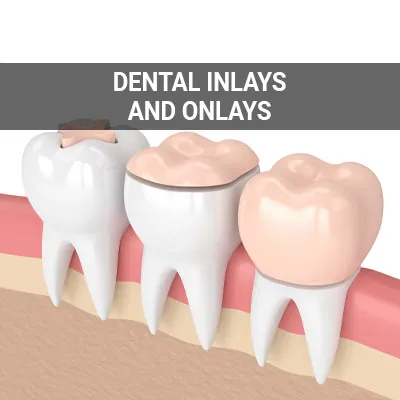

Cosmetic Dentistry Terminology
Call Us to Get More Details
Our dental crown options in Rego Park give patients choices for tooth restoration. If you have concerns about your teeth, call us today at (718) 897-3434 to schedule a consultation regarding any questions you have about our dental crown services.
Helpful Related Links
- American Dental Association (ADA). Glossary of Dental Clinical Terms. 2025
- American Academy of Cosmetic Dentistry® (AACD). Home Page. 2025
- WebMD. WebMD’s Oral Care Guide. 2025
About our business, license, and website security
- Affordable Dental Care PC was established in 1998.
- We accept the following payment methods: American Express, Cash, Check, Discover, MasterCard, and Visa
- We serve patients from the following counties: Queens
- We serve patients from the following cities: Queens
- NY (License #458341). View License Information and Specifics
- National Provider Identifier Database (1205042033). View NPI Registry Information
- Healthgrades. View Background Information and Reviews
- Norton Safe Web. View Details
- Trend Micro Site Safety Center. View Details

Scan here to open directions to Affordable Dental Care PC on mobile
Back to top of Dental Crowns and Dental Bridges
Related Posts
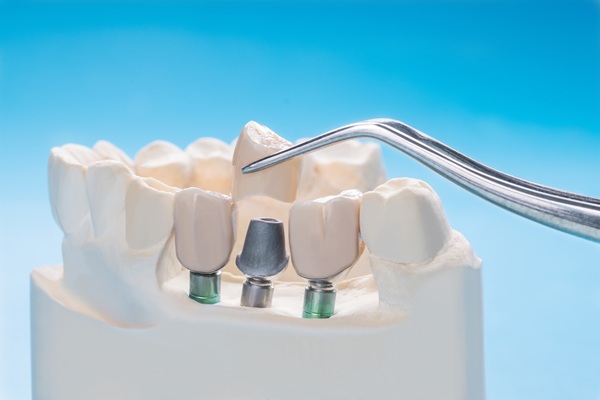
4 Tips For Implant Crown Care
Wondering how to properly care for your new implant crown? Read on to learn some helpful tips on crown care. The amount of time you are able to keep your implant crown in an ideal condition depends on how well you care for it long-term. With proper care, many patients are able to avoid replacing…
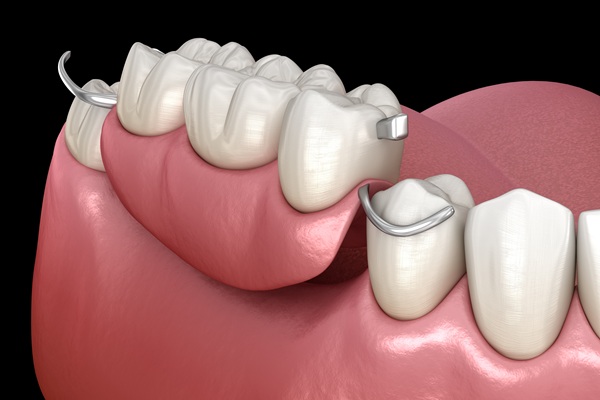
Tooth Replacement 101: Why A Dentist May Recommend A Dental Bridge
A dental bridge is often an important tooth-replacement option when one or more teeth are missing in the same area. Gaps in the smile affect chewing, speech, and overall oral health. Over time, missing teeth can also affect jaw alignment and place extra stress on the remaining teeth. Understanding how a bridge works helps patients…

Best Dentist In Queens: How To Find Affordable, Quality Dental Care
Finding the right dentist is one of those decisions that feels simple until you actually start looking. Queens is one of the largest and most diverse places in the country, and a quick search for a dentist returns pages of options, all of them promising the best care. So how do you cut through the…

What To Expect At Your Child's First Dental Visit
A child's first trip to the dentist is a milestone, and it is normal for parents to wonder what to expect. The good news is that a first visit is designed to be gentle, friendly, and reassuring, for your child and for you. Starting dental care early sets your child up for a lifetime of…
Explore additional topics covered on our website:
Call Us Today

Scan here to call Affordable Dental Care PC on mobile